Serving Kennesaw, GA and Surrounding Areas



Is Kennesaw Water Hard? Protecting Your Plumbing & Appliances from Scale Buildup
Proudly Rated on Google with Reviews
Call Us Anytime: We offer Live 24/7 Answering!

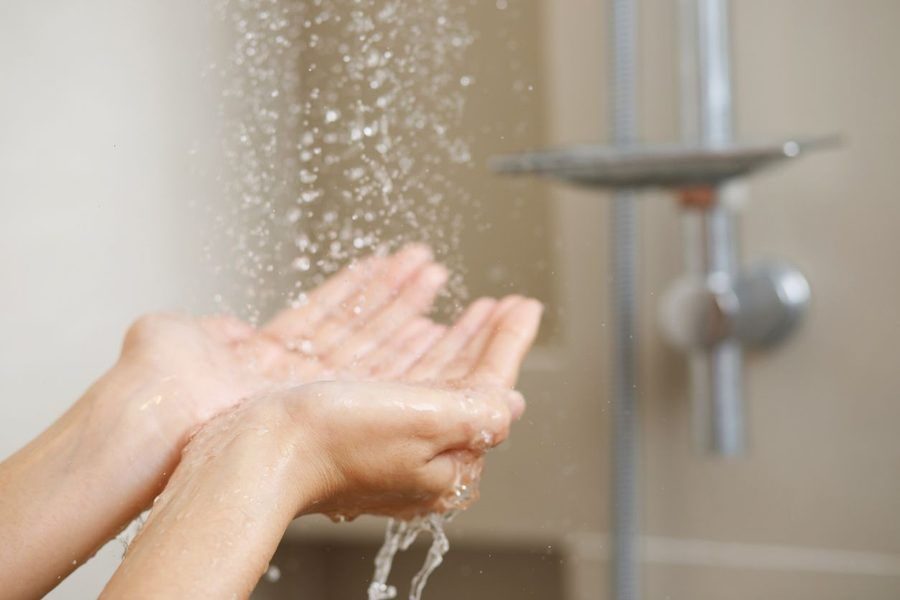
White residue around your faucets, spots on freshly washed glasses, or chalky deposits on your showerhead can all point to minerals in your home’s water. These deposits are commonly associated with hard water, which contains dissolved minerals such as calcium and magnesium. As water evaporates or is heated, those minerals can remain behind as scale.
For Kennesaw homeowners, understanding your home’s water hardness can help you make better decisions about plumbing maintenance, water heaters, appliances, and water treatment. Water conditions can vary based on the supply and other factors, so testing is the most reliable way to determine the hardness level in an individual home. If scale keeps returning, however, it may be worth investigating whether mineral-rich water is contributing to the problem.
Is the Water in Kennesaw, GA Hard?
Water hardness in Kennesaw can vary, so homeowners should not assume every property has the same hardness level. Your home’s specific water supply and current water conditions influence how much calcium and magnesium are present.
The most accurate way to determine whether you have hard water is to review current water-quality information for your supply and test the water at your home. Testing provides an actual hardness measurement rather than relying solely on visible signs.
You can still experience mineral deposits even when water is not considered extremely hard. If you regularly find scale on faucets, showerheads, glassware, or water-using appliances, testing can help determine whether hardness is responsible.
How Is Water Hardness Measured?
Water hardness is commonly reported in milligrams per liter or parts per million as calcium carbonate. It may also be expressed in grains per gallon.
In general, a higher measurement means more hardness minerals are present. Rather than focusing only on whether water is labeled “hard” or “soft,” homeowners should consider the actual test result and whether mineral buildup is causing problems throughout the home.
What Is Hard Water?
Hard water is water containing elevated amounts of dissolved minerals, primarily calcium and magnesium. These minerals enter water naturally as it moves through soil, rock, and other geological materials.
Hard water does not automatically mean your water is contaminated or unsafe to drink. For homeowners, the more noticeable concerns are often scale buildup, mineral spotting, cleaning difficulties, and the effects deposits can have on plumbing fixtures and water-using equipment.
What Is Scale Buildup?
Scale is the solid mineral residue left behind when water containing calcium, magnesium, and other minerals evaporates or undergoes certain changes.
You may see scale as a white or chalky material around a faucet. Similar deposits can also form in less visible places, including water heaters and appliance components.
Because heating can encourage certain minerals to form deposits, scale can be especially relevant to equipment that regularly heats water.
What Are the Signs of Hard Water in a Kennesaw Home?
Hard water can leave several recognizable clues. No single symptom proves that you have hard water, but recurring mineral deposits are a good reason to consider testing.
White Deposits on Faucets and Showerheads
Chalky residue around faucet aerators, showerhead openings, and other fixtures is one of the most visible signs of mineral buildup.
As water dries, minerals can remain on the surface and gradually accumulate.
Spots on Dishes and Glassware
If glasses look cloudy or develop spots after washing, mineral residue may be contributing. The water evaporates, but some dissolved minerals can remain behind.
Soap and Detergent Problems
Hardness minerals can interact with soaps and detergents, potentially making it harder to create a lather and contributing to residue.
Reduced Faucet or Showerhead Flow
Scale can collect around small openings in faucet aerators and showerheads. Enough accumulation may begin to restrict water flow.
If multiple fixtures experience unexplained reductions in flow, a plumber can determine whether mineral deposits, plumbing problems, or another issue is responsible.
Can Hard Water Damage Your Plumbing?
Hard water generally does not cause an immediate plumbing failure. However, persistent mineral buildup can create problems for fixtures, valves, water heaters, and other components over time.
Scale Can Accumulate in Plumbing Components
Mineral deposits can form wherever water regularly flows, particularly around narrow passages and components where scale can collect.
The impact varies based on water hardness, plumbing materials, temperature, water usage, and system maintenance. Not every home with hard water will experience significant pipe restriction.
Faucets and Showerheads May Need More Maintenance
Aerators and showerhead openings are particularly susceptible to visible scale because water frequently evaporates around them.
Deposits can also affect certain fixture components. If cleaning accessible scale does not restore normal operation, the fixture may need professional service.
How Does Hard Water Affect a Water Heater?
Water heaters are one of the most important places to consider the effects of mineral buildup because they repeatedly heat water.
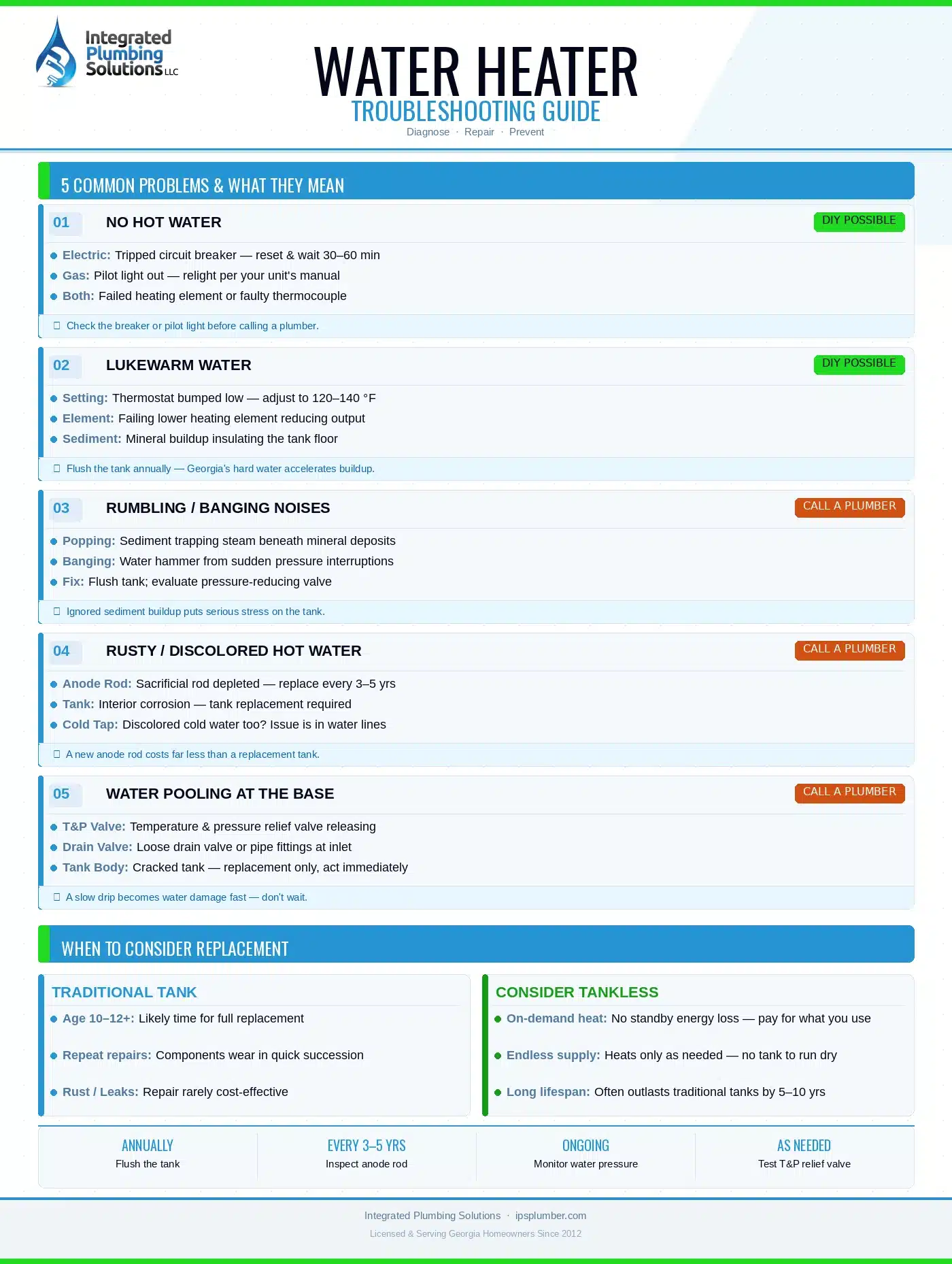
Sediment Can Collect in Tank Water Heaters
Minerals and other sediment can accumulate near the bottom of a tank-style water heater. Depending on the amount of buildup, sediment can interfere with heat transfer and affect water heater performance.
A tank with substantial sediment may develop symptoms such as unusual rumbling or popping noises, longer heating cycles, or changes in hot water performance. These symptoms can have other causes, so professional diagnosis is important.
Scale Can Affect Heating Components
Electric water heater elements can develop mineral deposits. Tankless water heaters can also experience scale inside waterways and heat exchanger passages.
Manufacturers may recommend specific maintenance procedures based on the equipment and local water conditions. Following those recommendations can help manage buildup and maintain performance.
Can Hard Water Affect Household Appliances?
Any appliance that regularly uses water may be exposed to mineral deposits.
Dishwashers: Mineral residue can contribute to spotting and may accumulate on internal components.
Washing machines: Hardness minerals can affect how soaps and detergents perform and may leave deposits inside water-handling components.
Refrigerators and ice makers: Mineral deposits may affect small water lines or components depending on the appliance and water conditions.
Coffee makers: Because these appliances repeatedly heat water, mineral scale can become particularly noticeable over time.
How significantly hard water affects an appliance depends on the hardness level, equipment design, water usage, and maintenance.
How Do You Remove Scale Buildup From Plumbing Fixtures?
Visible mineral buildup can often be managed through regular fixture maintenance, but it is important to protect the finish and components.
Use cleaning products and procedures approved by the fixture manufacturer. Some abrasive or acidic cleaners can damage certain finishes, so stronger does not always mean better.
Faucet aerators and showerheads may also need periodic cleaning when mineral deposits begin restricting their openings.
If scale repeatedly returns despite cleaning, treating the symptoms alone may become frustrating. That is when evaluating your home’s water hardness can be useful.
Call a plumber when mineral buildup is accompanied by persistent low flow, malfunctioning fixtures, water heater problems, leaking components, or issues that cannot be safely accessed for cleaning.
How Can You Protect Your Plumbing From Hard Water?
Protecting your plumbing starts with understanding the water you actually have.
Test Your Home’s Water
Testing provides a measurable hardness level and can help distinguish a mineral problem from other water-quality concerns.
This is especially valuable before purchasing a whole-home water treatment system.
Maintain Your Water Heater
Follow your water heater manufacturer’s maintenance recommendations. Depending on the equipment and water conditions, appropriate maintenance may help manage sediment and mineral scale.
Keep Fixtures and Aerators Clean
Addressing accessible mineral deposits before they become severe can help maintain normal faucet and showerhead flow.
Consider Water Treatment for Recurring Scale
If testing confirms hard water and mineral buildup repeatedly affects your home, a water treatment system may provide a more comprehensive solution than continually cleaning individual fixtures.
Do You Need a Water Softener in Kennesaw?
Not every Kennesaw home automatically needs a water softener. A softener may be worth considering when testing confirms hard water and mineral scale is creating persistent problems with plumbing fixtures, water heaters, appliances, or cleaning.
Most conventional water softeners use a process called ion exchange to reduce calcium and magnesium in the water.
Reducing hardness minerals can provide benefits such as:
-
Less scale accumulation
-
Reduced mineral spotting
-
Easier fixture cleaning
-
Better soap and detergent performance
-
Less exposure to hardness minerals for certain plumbing components and appliances
The right treatment depends on your water test results, household needs, and plumbing system.
Water Softener vs. Whole-House Water Filter: Which Do You Need?
Water softeners and water filters address different problems, so the terms should not be used interchangeably.
A water softener primarily targets hardness minerals such as calcium and magnesium.
A water filter may target sediment, chlorine, taste, odor, or specific contaminants depending on the filtration technology.
Some households may benefit from one system, while others may need a combination of treatment methods. Water testing can help identify what you are actually trying to remove or reduce before equipment is selected.
Can You Prevent Scale Without a Water Softener?
Routine maintenance can help manage mineral buildup even if you do not install a water softener.
Cleaning fixtures, maintaining water heaters, following appliance maintenance instructions, and addressing scale on aerators and showerheads can all help.
However, these steps primarily manage the effects of mineral-rich water. If your water is significantly hard, scale may continue returning until the underlying hardness is addressed.
When Should Kennesaw Homeowners Have Their Water Tested?
Consider having your water evaluated if you notice:
-
Persistent white or chalky scale
-
Heavy spotting on dishes and fixtures
-
Recurring water heater sediment
-
Reduced faucet or showerhead flow
-
Frequent appliance scale
-
Changes in water taste, odor, or appearance
-
Repeated plumbing issues associated with mineral deposits
Testing is also a smart first step if you are considering a water softener or whole-house filtration system.
Is Hard Water Bad for Your Home?
Hard water contains dissolved minerals, primarily calcium and magnesium. It is not automatically a sign that water is contaminated, but mineral deposits can create household problems when scale accumulates over time.
Fixtures, showerheads, water heaters, and water-using appliances can all be affected by mineral buildup. The severity depends on your home’s actual water hardness, plumbing, equipment, usage, and maintenance.
Rather than guessing based on a few water spots, testing your home’s water provides the information needed to decide whether additional plumbing maintenance or water treatment makes sense.
Protect Your Kennesaw Plumbing With Integrated Plumbing Solutions
Recurring scale is more than a cleaning nuisance when it begins affecting fixtures, water heaters, appliances, or plumbing performance. Identifying your home’s actual water conditions can help you address the source of the problem instead of continually cleaning the symptoms.
Integrated Plumbing Solutions can help Kennesaw homeowners evaluate plumbing problems associated with mineral buildup and determine whether maintenance, repairs, or water treatment should be considered. If you are dealing with persistent scale, water heater sediment, restricted fixtures, or questions about your home’s water quality, professional guidance can help you choose the right next step.
Contact Integrated Plumbing Solutions today to schedule plumbing service and learn more about protecting your Kennesaw home’s plumbing and water-using equipment from scale buildup.

We Have The Expert Solutions for Your Plumbing Problems
Many plumbing issues are connected to problems elsewhere in the system. Integrated Plumbing Solutions takes a broader approach, helping homeowners address concerns involving drains, sewer lines, water lines, septic systems, and water heaters before they lead to larger repairs.