Serving Kennesaw, GA and Surrounding Areas



Why Grease Is Such a Big Drain Problem for Kennesaw and Cobb County Homes
Proudly Rated on Google with Reviews
Call Us Anytime: We offer Live 24/7 Answering!

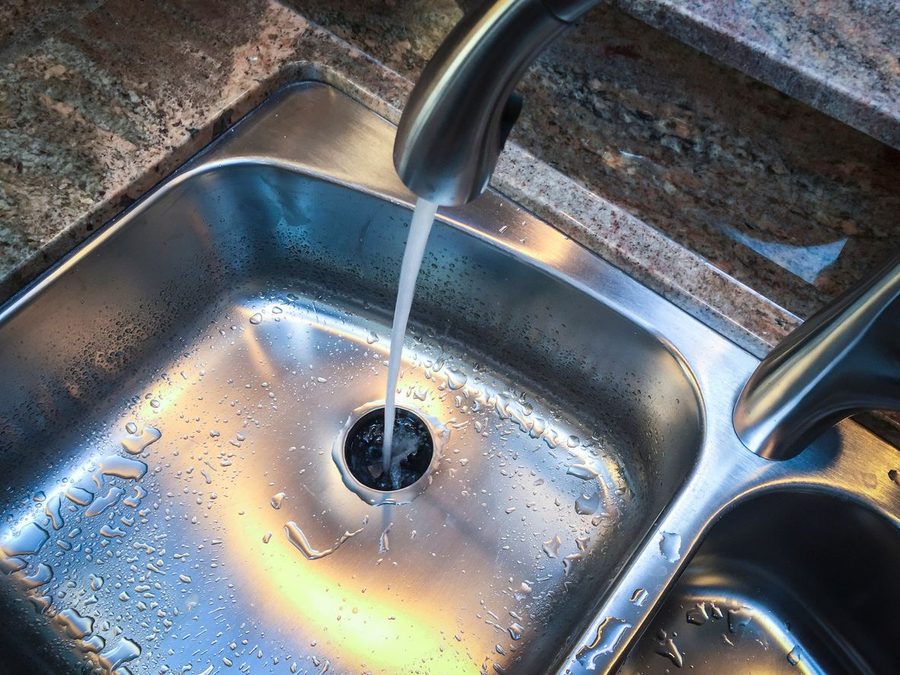
Pouring a little cooking grease down the kitchen sink might not seem like a big deal. When the grease is warm and liquid, it can appear to wash away with the water. The problem is that getting grease past the sink does not mean it has safely made its way through your plumbing.
Fats, oils, and grease can accumulate inside drainpipes, where they may trap food particles and other debris. Over time, this buildup can restrict water flow and contribute to slow drains and stubborn clogs. For Kennesaw and Cobb County homeowners, keeping grease out of the kitchen drain is one of the simplest ways to reduce the risk of preventable plumbing problems.
Why Is Grease Bad for Your Drains?
Fats, oils, and grease can coat the inside of drainpipes instead of simply washing away. As buildup accumulates, it can catch food particles and other debris, gradually restricting the pipe and increasing the likelihood of a clog.
When plumbers talk about grease in drains, they are referring to more than the fat left over after cooking bacon.
Potential sources include:
-
Cooking oils
-
Bacon and sausage grease
-
Butter and margarine
-
Shortening
-
Meat drippings
-
Gravy
-
Oily or creamy sauces
-
Fatty food residue
Repeatedly sending even relatively small amounts into the drain can contribute to buildup over time.
Doesn’t Hot Water Wash Grease Down the Drain?
This is one of the most common misconceptions about kitchen plumbing.
Hot water may temporarily help keep certain fats or grease in a liquid state, but it does not make the grease disappear.
As the wastewater moves farther through the plumbing system, temperatures change. Fats and grease can coat or collect along the inside of pipes and contribute to buildup farther downstream.
Dish soap is not a guarantee against grease clogs either. Detergent may help break up grease while washing dishes, but that does not mean sending substantial amounts of fats or cooking oils into the drain is safe for your plumbing.
The better solution is to keep as much grease as possible out of the drain in the first place.
How Does Grease Turn Into a Clogged Drain?
Grease-related drain problems can develop gradually.
First, fats, oils, or grease enter the kitchen drain. Some material can begin collecting along the interior of the plumbing. That sticky buildup can then capture food particles and other debris passing through the pipe.
As more material accumulates, the available space for wastewater becomes smaller. You may eventually notice that the kitchen sink takes longer to empty. If the restriction continues to worsen, the drain can become significantly or completely clogged.
Because this process can happen over time, homeowners may not connect today’s slow kitchen sink with months or years of material entering the drain.
What Are the Signs of a Grease-Clogged Drain?
A slow kitchen sink is one possible warning sign, but grease is not the only potential cause of a clogged drain.
Watch for:
-
Water draining increasingly slowly
-
Water pooling in the kitchen sink
-
Gurgling from the drain
-
Recurring kitchen sink clogs
-
Unpleasant drain odors
-
Water backing up into the sink
Depending on how the dishwasher and kitchen plumbing are configured, you might also notice drainage problems associated with dishwasher use.
These symptoms do not prove grease is responsible. Food debris, foreign objects, damaged piping, and other problems can create similar symptoms.
Does a Garbage Disposal Prevent Grease Clogs?
No. A garbage disposal does not make grease safe for your drains.
A garbage disposal grinds certain food scraps into smaller pieces so they can travel through the plumbing. It does not eliminate fats, oils, or grease from the wastewater.
In fact, sending grease down the drain along with food particles can provide more material that contributes to buildup.
Even if your Kennesaw home has a powerful garbage disposal, cooking grease should still be kept out of the sink.
Can Kitchen Grease Cause a Main Sewer Line Problem?
Grease problems are not necessarily limited to the pipe directly beneath the kitchen sink.
Material that travels farther through the plumbing can contribute to buildup in larger drain or sewer lines. However, a main sewer line problem can have many other causes, including foreign objects, tree root intrusion, accumulated debris, or damaged piping.
The number of affected fixtures can provide an important clue.
If only the kitchen sink drains slowly, the problem may be relatively localized. If toilets, showers, tubs, or several other drains also begin backing up or draining slowly, the restriction may be located farther downstream.
A professional plumbing evaluation can determine where the problem is actually occurring.
How Should You Dispose of Cooking Grease?
Preventing grease clogs starts with changing what goes into the kitchen sink.
After cooking, allow grease to cool and collect it in an appropriate disposable container rather than pouring it down the drain.
You can also:
-
Scrape food scraps into the trash
-
Wipe greasy pans before washing when practical
-
Use a sink strainer to catch food particles
-
Keep cooking oil out of the garbage disposal
-
Follow local disposal or recycling guidance for larger quantities of cooking oil
Even cooking oils that remain liquid at room temperature should not be treated as harmless drain disposal.
What Should You Do If Grease Has Already Clogged the Drain?
If your kitchen sink is already draining slowly or has stopped draining, avoid continuing to send large amounts of water through it.
You should also be cautious about chemical drain cleaners. These products are not a reliable solution for every clog, and they may not remove grease buildup throughout the affected pipe. They also cannot repair damaged plumbing.
Never mix different drain-cleaning chemicals.
If you have already used a chemical product before calling a plumber, tell the technician what was used.
Recurring clogs are particularly important to investigate. Repeatedly reopening the drain without addressing the underlying buildup or plumbing problem can lead to the same symptoms returning.
How Does Professional Drain Cleaning Remove Grease Buildup?
Professional drain cleaning starts with determining where the restriction is located and which fixtures are affected.
Depending on the type and location of the blockage, a plumber may use mechanical drain-cleaning equipment or other methods to restore flow.
For certain drain and sewer lines, hydro jetting may also be considered. Hydro jetting uses high-pressure water to clean appropriate piping and remove certain types of buildup from pipe walls.
However, hydro jetting is not automatically the right choice for every clogged drain. The pipe’s condition, material, configuration, and the cause of the blockage should be evaluated before selecting a cleaning method.
How Can You Prevent Grease Clogs?
A few everyday habits can reduce the amount of grease and debris entering your plumbing:
-
Do not intentionally pour fats, oils, or grease down the sink
-
Scrape leftover food into the trash
-
Wipe excessive grease from cookware before washing
-
Use a sink strainer
-
Do not rely on the garbage disposal to handle grease
-
Address recurring or increasingly slow drains
Prevention is especially important because grease buildup may develop gradually before causing an obvious clog.
When Is a Slow Kitchen Drain a Bigger Plumbing Problem?
Pay attention if your kitchen drain problem begins affecting other parts of the home.
Multiple slow drains, toilets that gurgle when other fixtures are used, wastewater backing up into showers or tubs, or recurring clogs can indicate a problem in a shared drain or main sewer line.
At that point, simply clearing the kitchen sink may not address the actual source.
Clear Stubborn Drain Problems With Integrated Plumbing Solutions
Grease may disappear from view when you pour it down the sink, but that does not mean it disappears from your plumbing. Keeping fats, oils, food residue, and grease out of your drains can help prevent unnecessary buildup and recurring clogs.
If your kitchen sink is draining slowly or clogs keep returning, contact Integrated Plumbing Solutions. Our team provides professional drain cleaning and plumbing services for homeowners in Kennesaw and throughout Cobb County, helping identify and clear stubborn drainage problems at their source.

We Have The Expert Solutions for Your Plumbing Problems
Many plumbing issues are connected to problems elsewhere in the system. Integrated Plumbing Solutions takes a broader approach, helping homeowners address concerns involving drains, sewer lines, water lines, septic systems, and water heaters before they lead to larger repairs.